Empowering Women, Creating Opportunities
LandsAid and its partners empower women in Mozambique through education, psychosocial support, and economic empowerment. Stefani Rackes da Silva was there.
Conversations with partners, activists, and participants
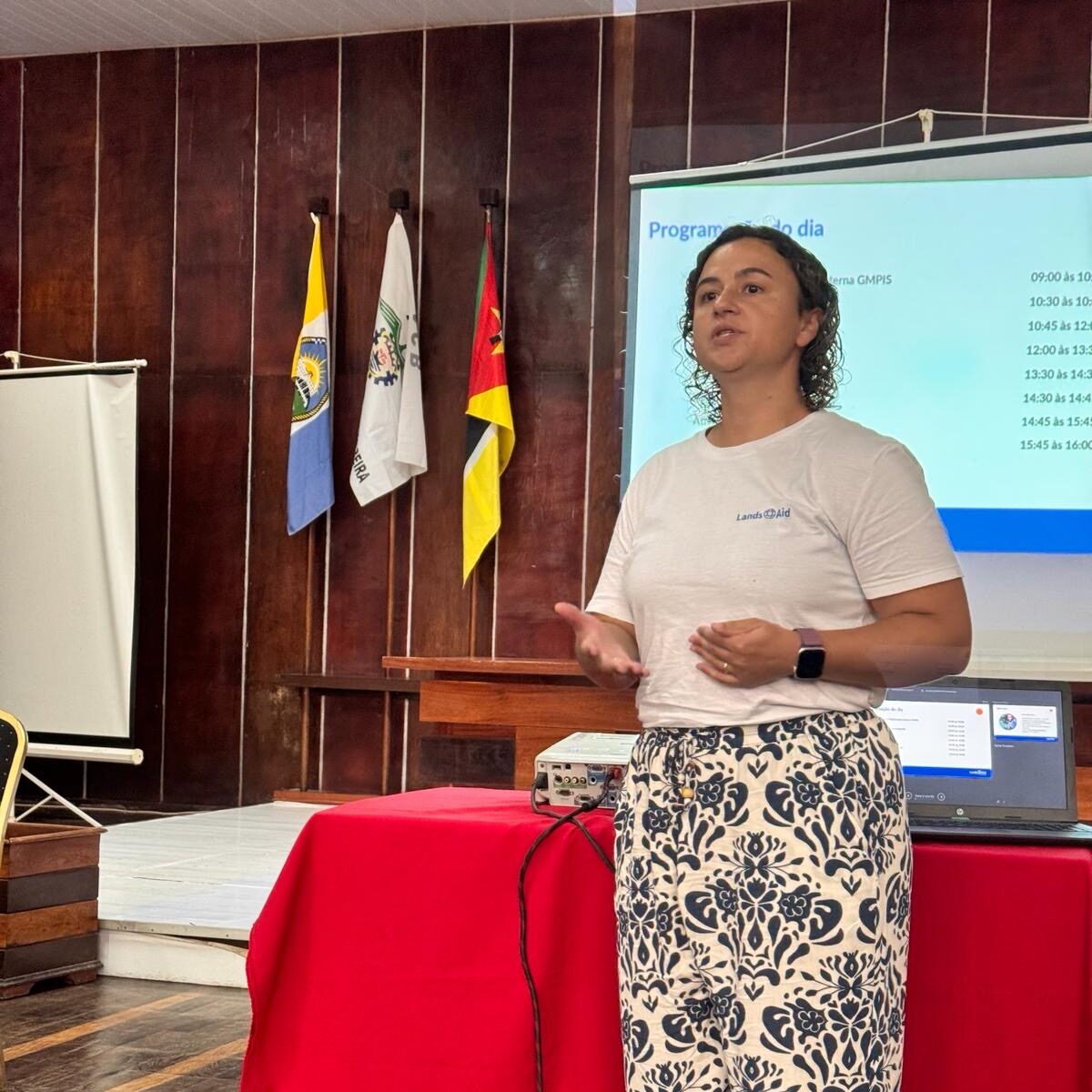
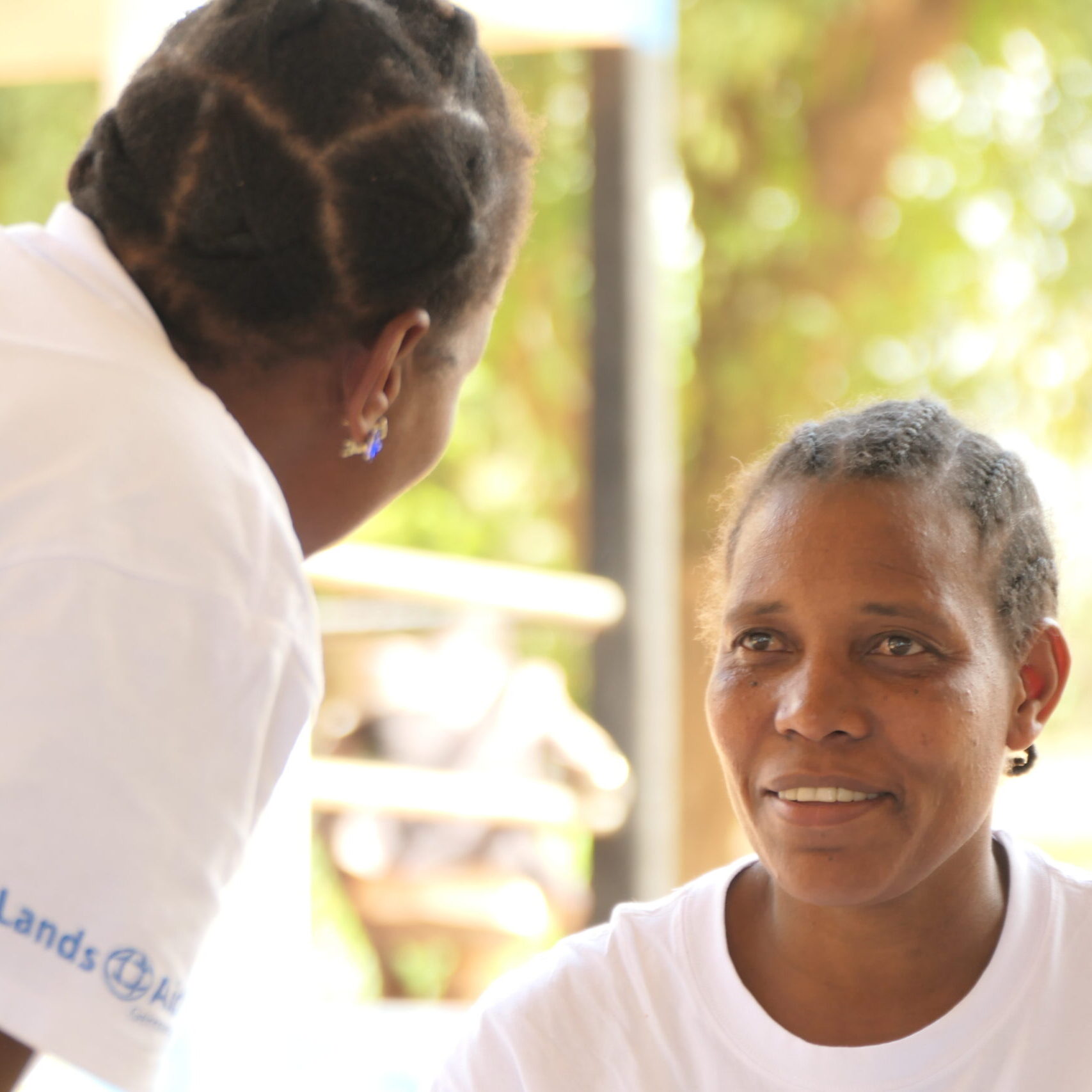
November 2026 — How is a project progressing now that the initial training sessions have been completed? What is already working well, and where are changes needed? To answer these questions, our project manager, Stefani Rackes da Silva, travelled to Mozambique once again. The focus was on discussions with local project partners, the trained activists, and the women participating in the programme.
Our project has been underway since November 2025 and will be implemented by November 2027 in collaboration with the Mozambican women’s rights organization GMPIS. It is funded by the Federal Ministry for Economic Cooperation and Development (BMZ) and by Aktion Deutschland Hilft. It covers 13 districts in the provinces of Sofala and Cabo Delgado.
In May, Stefani had trained GMPIS staff and activists in project monitoring, financial management, documentation, and public relations. The purpose of her current visit was to review the progress of the project activities and to work with GMPIS to determine where adjustments are needed.
She was able to see the situation for herself in six districts. This revealed just how varied the local conditions are. While some groups are already making good progress with psychosocial support, others still need more guidance in setting up savings groups and economic activities.
“Our partner has been very transparent in showing us what’s going well and where there are still challenges,” Stefani reports. This openness is important for tailoring the initiatives to the women’s actual needs.
A key component of the project is training 26 women to become activists. They learn how to educate others about women’s rights and human rights, promote economic independence, and raise awareness about issues such as equality and self-determination.
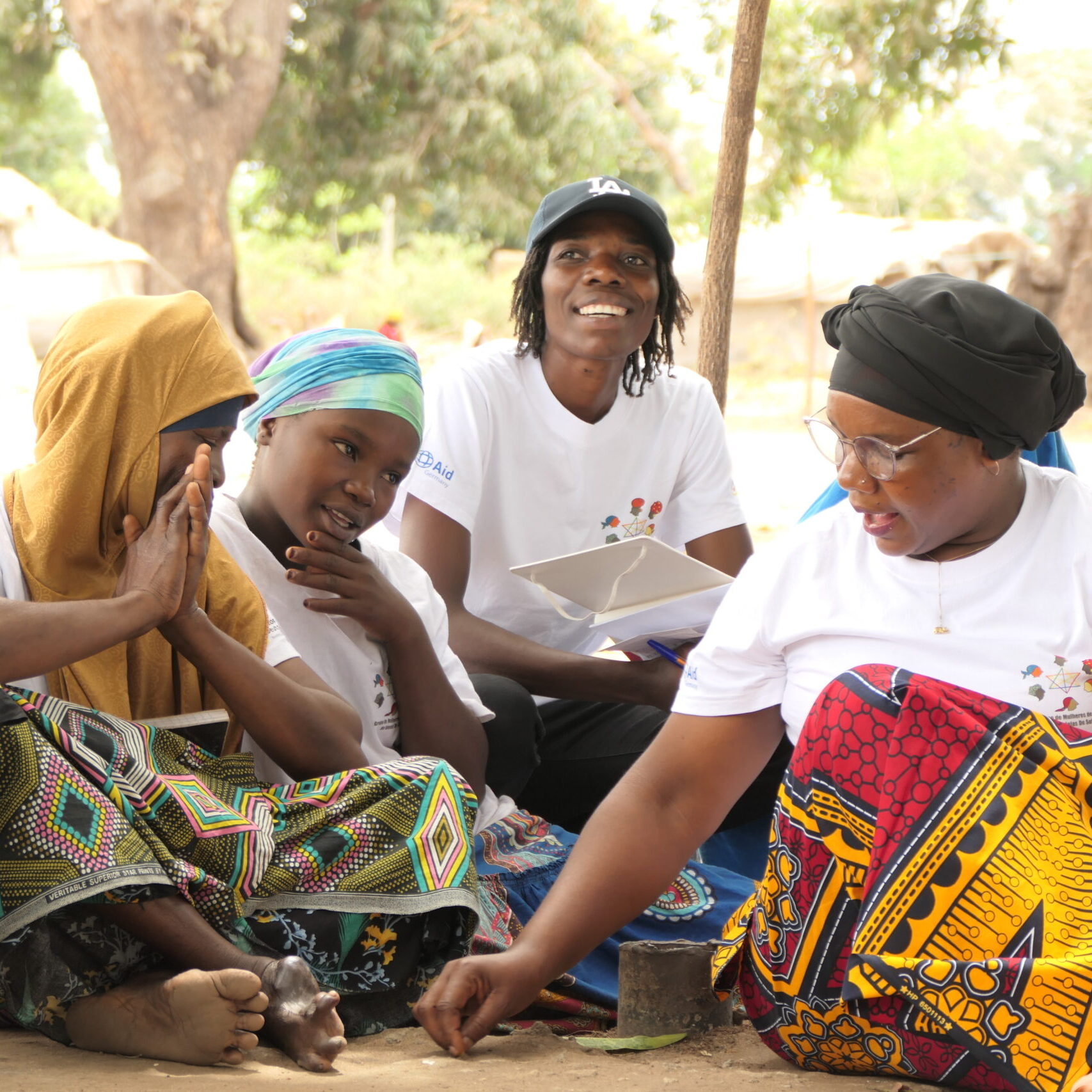
They then pass on this knowledge in their communities. Each activist is expected to train other women. The focus is not solely on theoretical knowledge. Role-playing, theatre exercises, and practical tasks help the participants apply what they have learned and draw on their own experiences.
The results so far are encouraging: 80 percent of the female activists have successfully completed their training. The remaining 20 percent have taken a refresher course.
This creates a network of women who can reach out to other women. The knowledge remains within the communities and can be passed on there.
Having their own income can help women take greater control of their lives. That is why the project combines training with concrete opportunities for economic independence.
In savings groups, participants regularly set aside money. Anyone who needs to bridge a financial gap can borrow money from the group under specified conditions. Interest is distributed at the end of the year according to the rules. In this way, the women learn to build up savings together and make financial decisions.
In addition, credit groups are being formed for women who wish to start their own small businesses. To do so, they must submit a business plan. The first plans have already been submitted, but decisions on the awarding of microloans are still pending.
In the long term, the groups are also intended to provide other women in their communities with access to microloans. This can create a support network that extends beyond the immediate project participants.
For many women, access to education is also an important prerequisite for greater independence. According to project data to date, about 70 percent of the female participants cannot read or write, or can do so only to a limited extent.
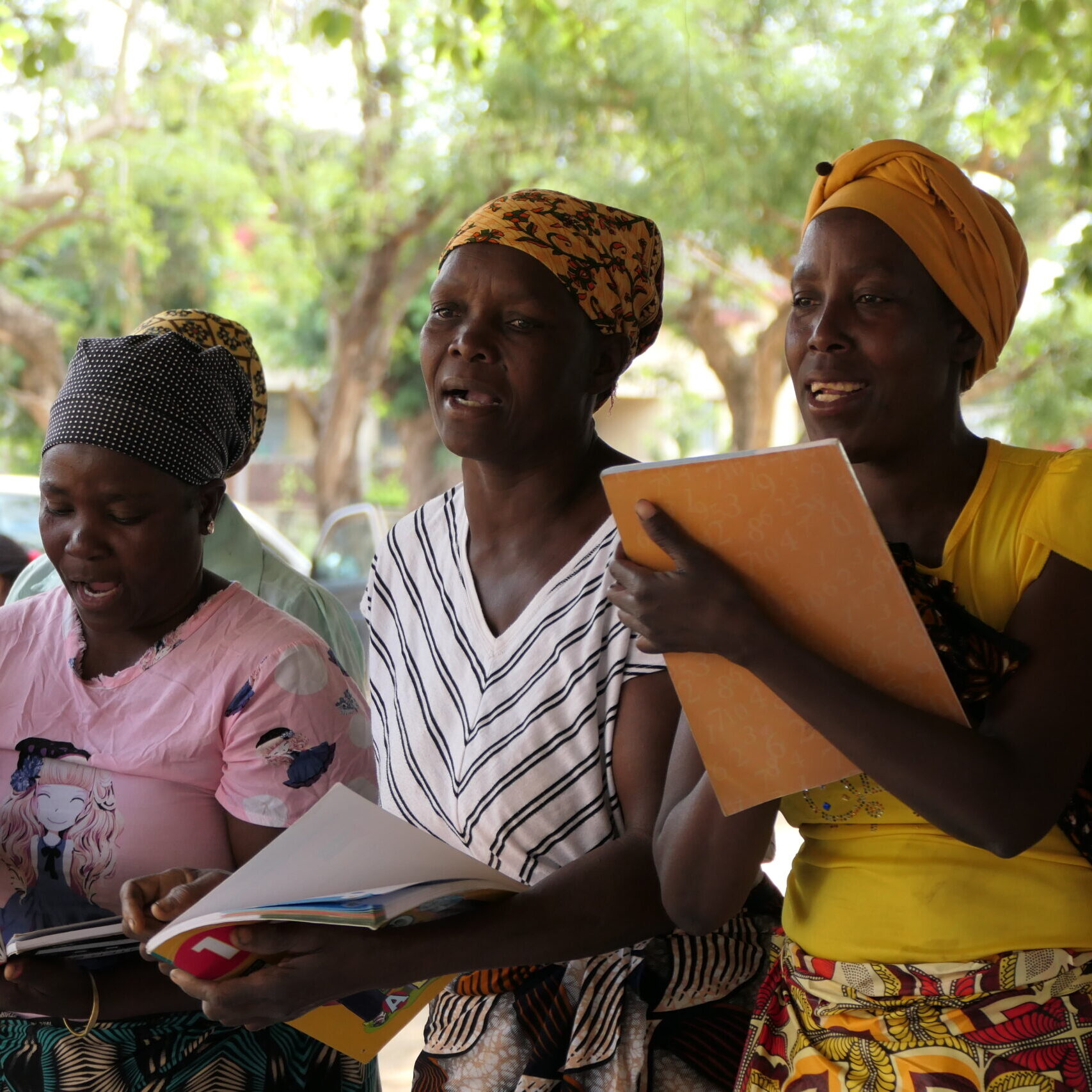
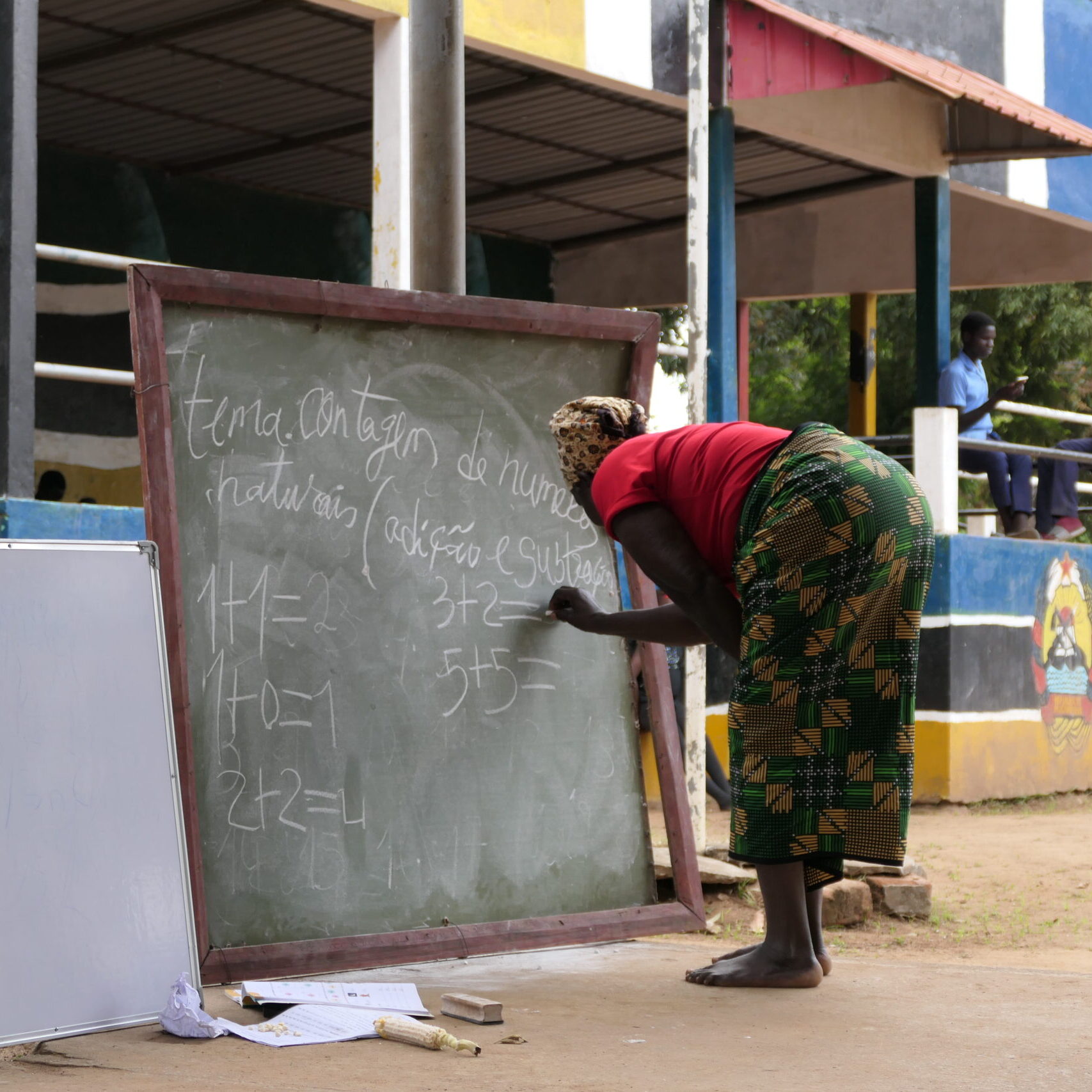
In literacy classes, they therefore learn the basic skills they need for everyday life. The teachers use the REFLECT method, which teaches reading and writing through topics that build on the participants’ own experiences.
For example, this enables women to learn how to understand information, use written instructions, and manage their own affairs more independently.
The goal is to use a portion of the proceeds from the microloan fund to support new literacy classes in the future. This will ensure that the classes can continue even after project funding ends.
Stefani was particularly moved by her encounter with Lucia. The 35-year-old lives in Cabo Delgado, a province where the security situation is very difficult in some areas. Many women have been forced to leave their homes and have experienced violence and severe losses.
Despite her difficult living conditions, Lucia has built a life for herself. She speaks seven local languages, has started her own business, and makes rugs from locally available materials. She now wants to use her knowledge to support other women and show them how they can earn an income on their own.
Her role goes beyond simply teaching craft skills. Lucia understands the challenges women face when they lack support. She wants to show them ways to use their skills and develop their own economic prospects.
Stefani met Lucia during her trip and spoke with her. Her story highlights how important it is to have women who serve as role models and pass on their knowledge.
For the women in Cabo Delgado, different approaches must be developed than those used in the comparatively safe province of Sofala. While vocational training courses are being organized there in collaboration with the local organization Young Africa, in Cabo Delgado, experienced women like Lucia will share their knowledge directly within the communities. The participants have already decided which vocational skills they would like to acquire. The courses have yet to begin.
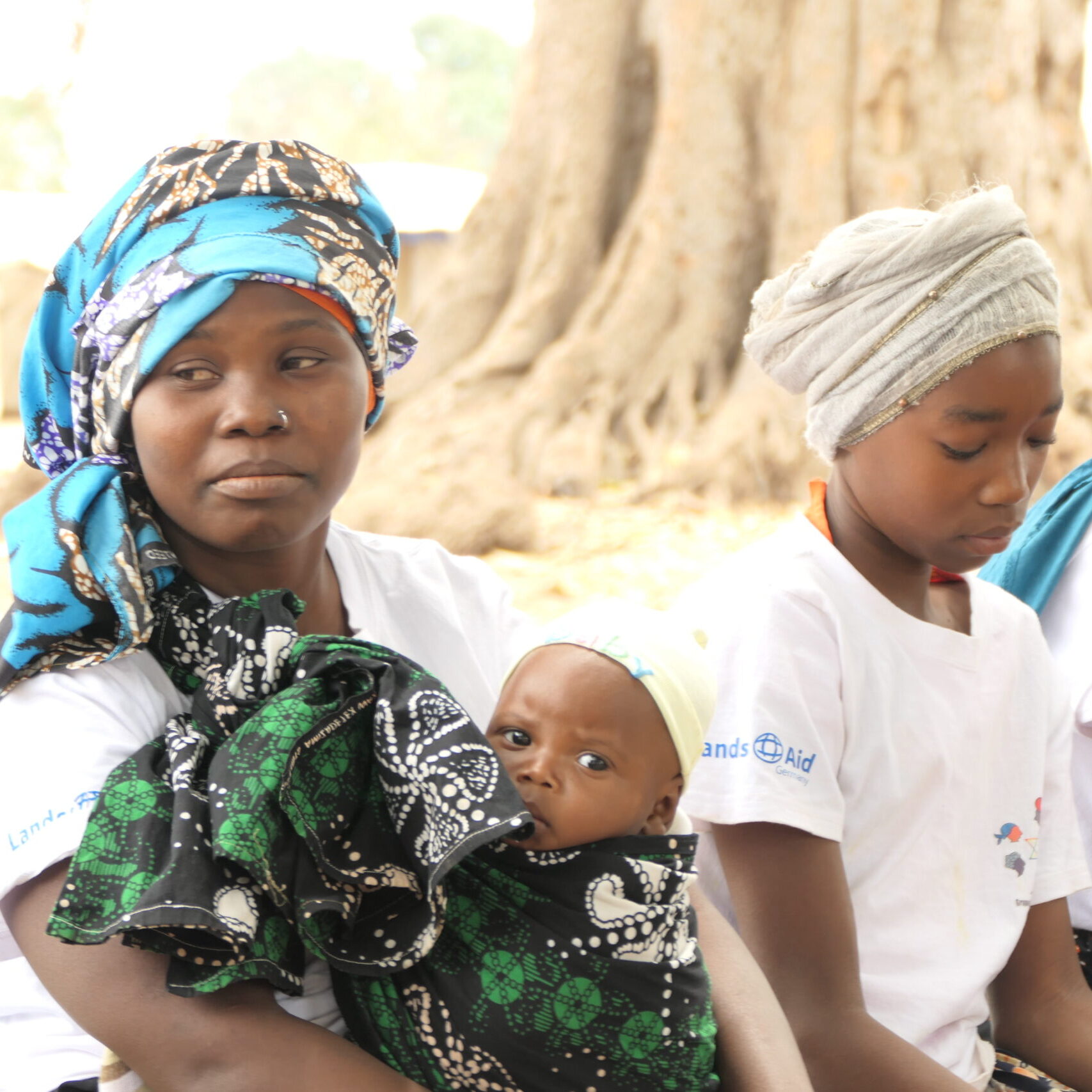
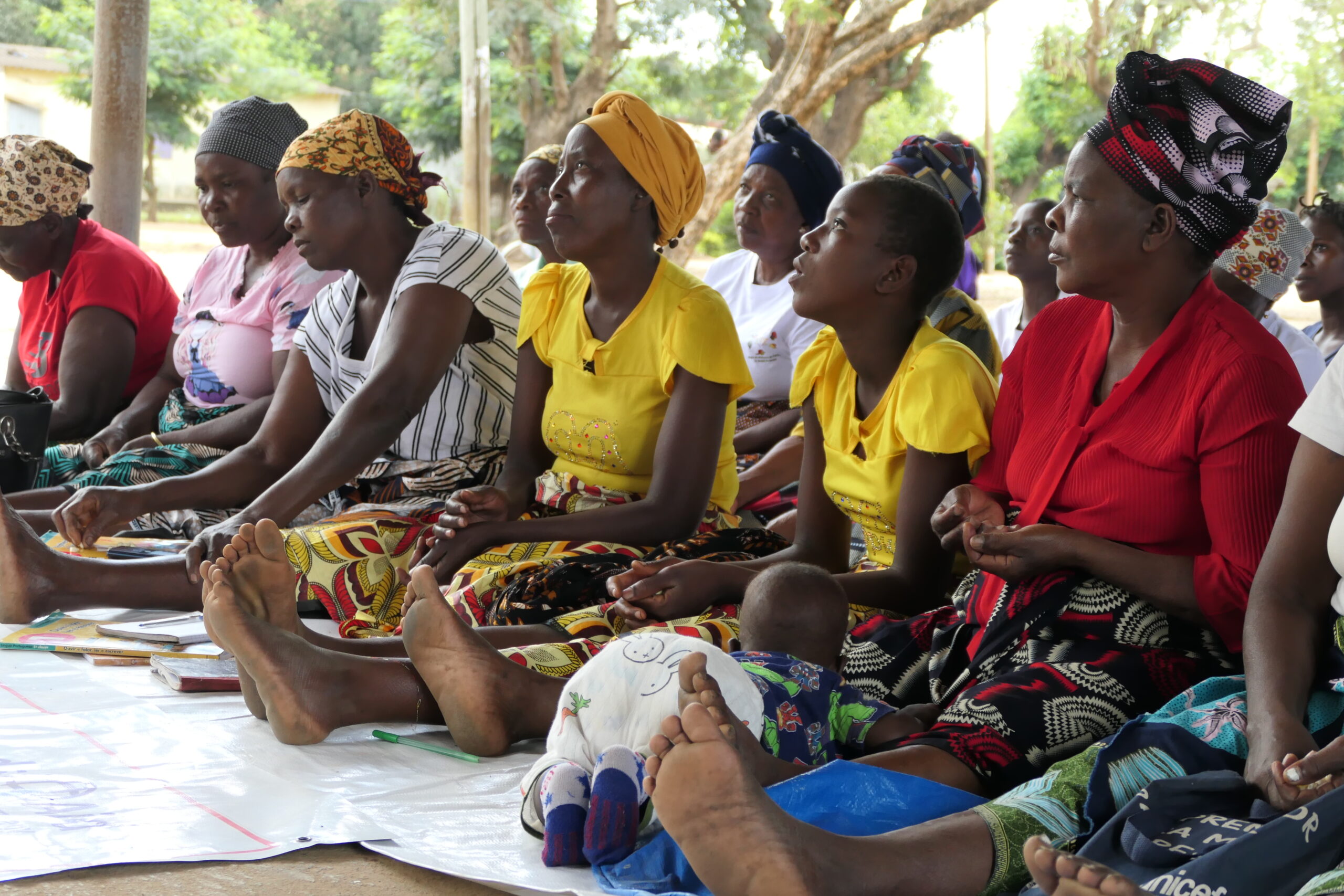
Another key focus of the project is psychosocial support. In the communities visited, many women have endured traumatic experiences. Displacement and violence have impacted their lives and make it difficult for them to build trust and develop new perspectives.
In guided group sessions, the women can talk about their experiences, support one another, and find ways to cope with what they have been through. These programmes are particularly important in Cabo Delgado, where the security situation complicates the work and other forms of assistance are limited.
Surveys conducted so far show that about 80 percent of the women feel better as a result of the psychosocial support. This is a strong indication that the services are resonating with many of the participants.
For Stefani, the conversations with the women were among the most moving moments of the trip. “The participants’ personal experiences made it clear how important it is to continue providing psychosocial support and to tailor it to their individual needs,” she says.
The project visit revealed that the initiatives are at different stages of development in the individual districts. Some groups need more support in establishing economic structures, while others need help with knowledge transfer or organizing their activities.
For this reason, LandsAid works closely with the local partner organization to support implementation. The goal is for the women to increasingly organize the programs themselves and, in the long term, be able to continue them independently.
For Stefani, what was particularly encouraging was the participants’ willingness to get involved and take on responsibility. The activists are expected to share their knowledge, the savings and credit groups are expected to grow, and the vocational training programmes are expected to open up new opportunities for the women.
Through this project, LandsAid empowers women to exercise their rights, make their own decisions, and become more economically independent. At the same time, local structures are being established that can continue to support women even after the funding ends.
Reliable support is needed to ensure that this work can continue. It makes it possible to provide training, psychosocial support, and economic opportunities for women living in difficult conditions.
Related articles
Mozambique: Empowering Women, Creating Opportunities
November 2026: LandsAid and its partners empower women in Mozambique through education, psychosocial support, and economic empowerment
Your donation arrives
Our expenditure and income are regularly reviewed by the German Central Institute for Social Issues (DZI). It has regularly certified the proper use of donations since 2009, which is why we are entitled to bear the corresponding seal.
Your donation helps provide women in Mozambique with access to education, psychosocial support, and economic opportunities. It supports the training of local female activists, literacy classes, and the establishment of savings and credit groups.
Support the project with your donation. By doing so, you’ll help women exercise their rights, build their own income, and shape their future with greater autonomy.
In 2017, an insurgency fueled by violent extremism and terrorism began in various districts of Cabo Delgado Province in Mozambique, leading to attacks on the local population. Currently, more than 800,000 people have been displaced, representing about 35 percent of the province’s population. Tragically, more than 4,000 people have lost their lives. Many young women and girls have been abducted and taken away by the insurgents. Those who managed to escape report mass rapes and other abuses and are severely traumatized.
The displaced people are scattered throughout the country, with the city of Pemba and the neighboring provinces of Nampula, Niassa, and Zambesia being particularly affected.
According to estimates by the United Nations in Mozambique, most displaced persons are suffering from a severe shortage of food and basic necessities. The vast majority of the displaced are women and children, including pregnant and breastfeeding women, older adults, and people with disabilities. Their lives, dignity, and safety are severely compromised.
Many of these women and girls have witnessed their homes being destroyed or their loved ones being killed. They themselves have often been sexually abused by combatants, as well as by soldiers. This has forced them to leave their homes, where they used to grow food for their families. Most of them now live in overcrowded shelters or in makeshift accommodations with families that often house a large number of people (often more than 30).
Upon arrival at the reception centres, refugee women are often traumatized, weakened by hunger, and without any medical care. The sexual assault and violence they have experienced during their flight, and even in the reception centres, as well as the poor health care available at the centres, make them even more vulnerable.
Some displaced women see no other way out than to turn to prostitution in order to survive extreme poverty. Some of those reporting this are girls between the ages of 12 and 18.
Women and girls with disabilities are even more severely affected by violence and discrimination and are often overlooked during food or essential goods distributions—simply because they lack the strength to assert themselves in the struggle for survival.
To date, the vast majority of women and girls have not received any kind of psychosocial support to help them come to terms with what they have experienced.
GMPIS
Founded in 2014, the feminist platform GMPIS aims to promote dialogue and the exchange of experiences among women and to strengthen human rights and women’s autonomy in the country. Currently, around 30 groups, associations, and NGOs in various regions of Mozambique are involved. Since 2021, GMPIS has established itself as a nationwide association, with the ability to establish branches in every part of the country or abroad. Its goals include creating a space for feminist dialogue and advocating for women’s rights, defending women’s inclusion in access to justice and land, promoting the inclusion of women with disabilities, strengthening women’s participation in political decision-making, economic empowerment, and improving gender equality.
In addition, the group aims to expand the feminist vision of bodily autonomy and women’s sexual and reproductive health and, within the framework of Agenda 1325 on Women, Peace, and Security, to establish or revitalize local peace and security committees, among other initiatives. Our local partner has implemented several projects in the area of human and women’s rights. At the same time, it has also focused on introducing resilience strategies to address climate change. This is particularly important in Mozambique, which is considered a country highly vulnerable to natural disasters.
Schön, dass Sie helfen wollen!
Spenden Sie jetzt
Kontobezeichnung:
LandsAid e. V.
Bank
IBAN
BIC
Sparkasse Landsberg-Dießen
DE66700520600000014001
BYLADEM1LLD
Or:
By becoming a sponsoring member, you provide us with long-term support and enable us to plan projects sensibly over the longer term.
Aus Kostengründen versenden wir Zuwendungsbestätigungen für Beträge über € 300,– automatisch am Anfang des Folgejahres (bitte geben Sie dafür unbedingt eine vollständige Adresse im Verwendungszweck an). Für Beträge unter € 300,– genügt beim Finanzamt die Vorlage des Kontoauszuges.
Falls Sie dennoch sofort eine Zuwendungsbestätigung wünschen, geben Sie uns bitte Bescheid, damit wir diese zuschicken können.
Ihre Spende wird für das ausgewählte Hilfsprojekt eingesetzt. Sollten dort mehr Mittel eingehen als benötigt oder sich der Bedarf vor Ort verändern, verwenden wir Ihre Spende für vergleichbare humanitäre Hilfsmaßnahmen. So stellen wir sicher, dass Ihre Unterstützung dort ankommt, wo sie im Rahmen unseres Satzungszwecks am dringendsten benötigt wird.
Unsere Partner und Förderer